Dysgraphia vs Dyslexia: Spot Classroom Signs With a 14 Domain Self Check

Dyslexia mainly affects reading and decoding words, while dysgraphia mainly affects written expression, including handwriting and spelling during composition. The two are separate conditions with different root causes, but a formal assessment by a qualified specialist is the only way to know which one, or both, a child or adult is dealing with. Many people have difficulties affecting both reading and writing, and the signs often overlap enough to confuse parents and teachers alike.
TL;DR:
- Dyslexia primarily affects phonological processing, making decoding words and linking sounds to letter patterns effortful and slow.
- Dysgraphia involves transcription difficulties, including handwriting, spelling errors during composition, and motor planning issues, often resulting in illegible writing.
- Formal diagnosis requires comprehensive assessments by specialists, as screening tools alone cannot confirm either condition.
- Support strategies differ: multisensory phonics help dyslexia, while separating idea generation from handwriting tasks benefits dysgraphia.
- Early detection and tailored classroom adjustments are crucial to prevent mislabeling and improve learning outcomes.
How dyslexia and dysgraphia differ in the brain and in the classroom
Dyslexia centres on phonological processing: the ability to hear, segment and manipulate the sounds in words. This makes decoding unfamiliar words slow and effortful, and it disrupts orthographic mapping, the process of linking letter patterns to sounds in long-term memory. The NHS describes dyslexia as a learning difficulty that primarily affects reading, spelling and writing skills, identified through a full diagnostic assessment rather than a quick check.
Dysgraphia sits on a different axis. It involves transcription, the mechanical act of turning thoughts into written symbols, and often includes motor planning difficulties alongside spelling errors that appear specifically during composition rather than in isolated spelling tests. A PubMed review on developmental dysgraphia notes that writing deficits are varied in cause and presentation, and calls for research grounded in how writing actually works as a cognitive process, not just as a motor skill.
Working memory plays a different role in each. Reading relies on holding sounds in mind while decoding; writing relies on juggling spelling, grammar and idea generation at once, so a learner with dysgraphia can often speak brilliant ideas aloud but freeze when asked to write them.
Quick contrasts teachers can use when observing a task:
- A dyslexic learner struggles to sound out an unfamiliar word even when reading aloud slowly.
- A dysgraphic learner can read a word perfectly but cannot spell or form it correctly on paper.
- Dyslexic spelling errors tend to be phonetic; dysgraphic errors often involve letter formation, spacing or inconsistent letter size.
- A dyslexic learner may avoid reading tasks; a dysgraphic learner may avoid any task requiring extended handwriting.
Signs by age and classroom examples
- Preschool: children who may later show dyslexia often struggle with rhyming games and learning letter sounds; children heading towards dysgraphia may grip a pencil awkwardly or avoid drawing and colouring tasks.
- Primary school: dyslexic signs include slow, laboured reading and guessing at words from pictures rather than decoding them; dysgraphic signs include illegible handwriting, inconsistent spacing, and written work far shorter than what the child can say aloud.
- Adolescence and adulthood: dyslexia can show as slow reading speed under exam pressure and difficulty with note-taking; dysgraphia can show as avoidance of long-form writing, fatigue after short writing tasks, and a gap between spoken fluency and written output at work.
- Immediate classroom adjustments: allow extra time for reading tasks and accept typed work over handwritten work
How are dysgraphia and dyslexia diagnosed?
Screening tools flag possible difficulties, but they are not the same as a diagnosis. The NHS is clear that a formal identification of dyslexia needs a comprehensive assessment carried out by a qualified specialist teacher or educational psychologist, not a short classroom checklist.
In the UK, there is no single diagnostic label equivalent to “dysgraphia” used by schools in the way “dyslexia” is used. The Department for Education’s writing framework recommends a graduated response: assess, plan, do, review, focused on identifying the specific barrier, whether that’s transcription, composition, or both, rather than waiting for a formal label. Where handwriting speed and legibility are the only concern, with no wider literacy impairment, some services treat this as a motor or occupational issue; a PMC overview notes this may not trigger literacy-specialist involvement unless reading or spelling problems also emerge.
A full assessment typically gathers:
- Standardised reading and spelling test results.
- Samples of handwriting and written composition across several weeks.
- Cognitive measures covering memory, processing speed and phonological skills.
- A developmental and educational history from parents and teachers.
Pro Tip: Keep a dated folder of your child’s schoolwork, both their best and their worst examples, since specialists rely heavily on real samples rather than a single snapshot.
Start with the school’s own graduated response before considering private assessment. A GP visit is rarely the first step for literacy or handwriting concerns; education specialists and educational psychologists are usually the more direct route, with a GP involved mainly when a wider developmental or motor concern needs medical input.
Support and interventions that actually help
Dyslexia responds best to structured, multisensory phonics teaching that explicitly links sounds to letters, alongside reading scaffolds such as audiobooks, text-to-speech software and coloured overlays where helpful.
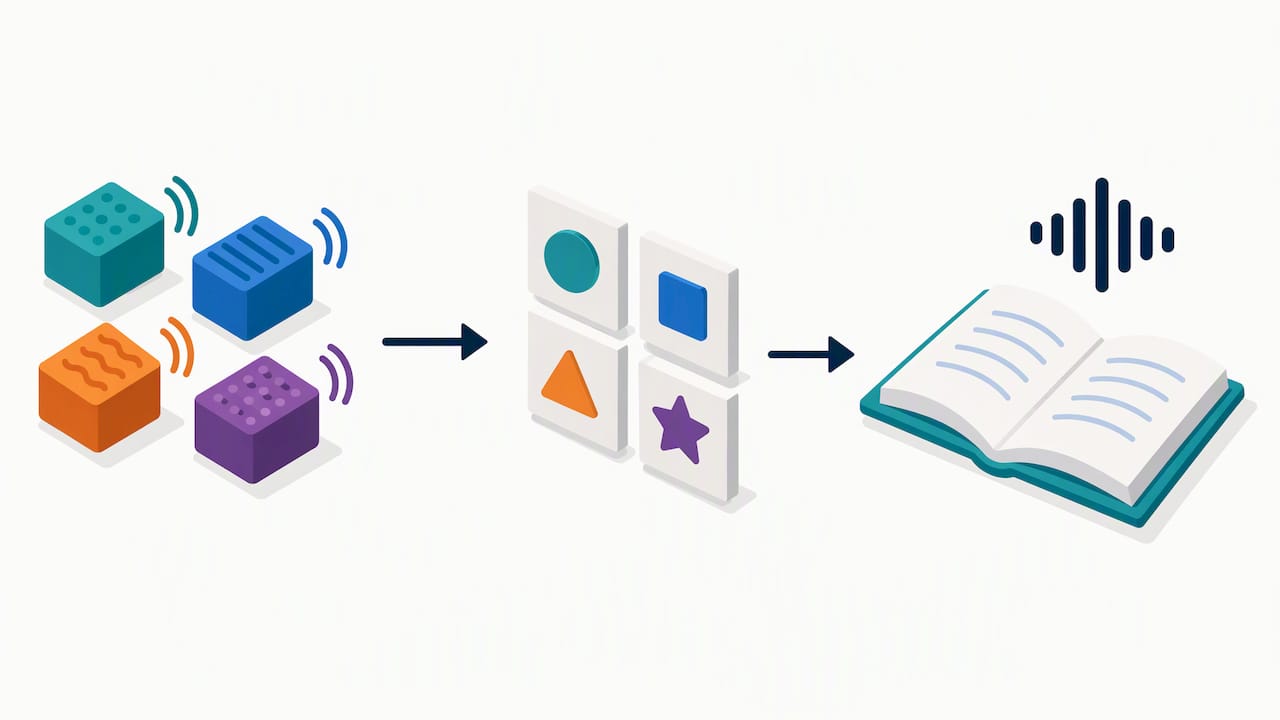
Dysgraphia needs a different approach. The DfE writing framework describes the Simple View of Writing: transcription and composition draw on the same limited working memory, so a learner who struggles to form letters has less mental capacity left for generating ideas. Separating the two, for example by letting a child dictate or type a story before any handwriting polish is expected, frees that capacity. Short, focused handwriting drills (a few minutes daily) tend to build automaticity better than long repetitive copying exercises, and an occupational therapy referral is worth pursuing when motor coordination is clearly part of the picture, as outlined in NHS-funded research into dysgraphia.
Shared strategies that help both conditions:
- Planning templates that separate idea generation from spelling and handwriting accuracy.
- Extra time and reduced copying demands in exams.
- Assistive technology such as speech-to-text and word prediction tools.
A practical in-class plan might pair oral storytelling with typed drafting for a dysgraphic pupil, while a dyslexic pupil in the same class gets pre-taught vocabulary and audio versions of reading texts, each adjustment targeting the actual barrier rather than a generic “extra help” label. Parents exploring co-occurring ADHD and dyslexia will find many of these same scaffolds useful across both conditions, and resources on reading strategies for attention-related difficulties can add further classroom ideas.
Can dysgraphia and dyslexia occur together with other conditions?
Yes, and often alongside ADHD, developmental coordination disorder (DCD, sometimes called dyspraxia) and broader language disorders. Occupational therapy assessment frequently enters the picture for writing concerns, sometimes using validated tools such as the DCD-Q, according to NHS-backed research summaries.
Overlap raises the stakes for getting the referral right. A child with attention difficulties and messy handwriting might be assumed to have only ADHD when dysgraphia is also present, or vice versa. This is why assessments increasingly draw on input from more than one professional, an educational psychologist alongside an occupational therapist, rather than relying on a single specialist’s view. Readers weighing up dyscalculia against dyslexia will recognise the same pattern: distinct conditions that frequently travel together and need separate, careful identification.
Preparing for assessment: how a self-check fits in
A structured self-assessment cannot diagnose dyslexia or dysgraphia, but it can help a family notice and document consistent patterns across reading, writing, attention and motor skills before a school meeting or clinical referral. Our 14-domain self-assessment, along with guided versions for children and teens, gives parents a plain-language profile they can compare against what teachers are already observing.
I built this because getting a clear, honest picture of my own ADHD at 42 took far longer than it should have, and families chasing answers for a child deserve something faster than that. The output is a starting point for conversation, never a replacement for a specialist teacher’s or psychologist’s full assessment.
Why clarity and early action matter
Early, specific identification changes what happens next far more than a vague sense that “something’s not right.” Parents, teachers and clinicians working from the same evidence tend to reach the right referral faster, and a child spends less time mislabelled as lazy or careless.
— Valerio Cozzi
Getting clarity with Omniprism
A privacy-first self-assessment gives you and your child’s teachers a shared, plain-language starting point without an account, an email address or any data collection. Our free self-assessment covers multiple domains including dyslexia-related traits, and guided versions exist for children and young people so families aren’t left guessing which path to take next.
- Complete the free self-assessment to spot patterns across reading, writing and attention.
- Use the optional Specialist Briefing report, a one-off 9.99 EUR summary, to bring structured evidence to a school meeting or clinician appointment.
- Share results with your child’s teacher to support a graduated response under the school’s own process.
Start with the free self-assessment and decide from there whether a Specialist Briefing is worth adding to your next conversation with a school or GP.
This article is general information, not a substitute for advice from a qualified doctor. Consult a qualified healthcare professional about your own circumstances before acting on anything here.
FAQ
What are five dysgraphia symptoms to watch for?
Common signs include illegible or inconsistent handwriting, unusual pencil grip, slow writing speed, spelling errors that appear mainly during composition rather than in isolated spelling tests, and written work far shorter than what the person can say aloud. A full picture needs a proper assessment rather than a symptom checklist alone, as the NHS explains for dyslexia-related difficulties.
Is dysgraphia a form of ADHD?
No, dysgraphia and ADHD are separate conditions, though they frequently co-occur. Research into writing difficulties shows motor and attention-related factors can overlap, which is why assessments often involve more than one specialist, as outlined in NHS-funded dysgraphia research.
Can a GP diagnose dysgraphia?
A GP does not typically diagnose dysgraphia or dyslexia; identification usually comes from a specialist teacher, educational psychologist, or occupational therapy assessment for motor-related writing concerns. The NHS guidance on dyslexia describes this same specialist pathway, and a similar route applies to dysgraphia-type concerns.
Is dysgraphia linked to autism?
Dysgraphia can co-occur with autism, though it is a distinct condition defined by difficulties with written expression rather than a feature of autism itself. Any overlap is best clarified through a full assessment that looks at motor skills, language and learning together rather than assuming one explains the other.
Sources
- The writing framework (Department for Education)
- Dyslexia in children - NHS
- Developmental dysgraphia: An overview and framework for research - PubMed
- Delphi dyslexia study / consensus efforts - PMC
- Investigating speed-accuracy tradeoff in children with dysgraphia - HRA
- The writing framework (DfE)
Recommended
- Parents & Teachers: Four Steps to Tell Dyscalculia From Dyslexia
- 25–50% Overlap: Parents & Teachers’ Action Plan for ADHD and Dyslexia
- Spot Twice Exceptional Autism: Use a 14 Domain Self Check to Build Evidence
- Parents: 14 Domain Self Check to Uncover Autism Misdiagnosed as ADHD
Written and edited by Valerio Cozzi, founder of Omniprism. Omniprism began after my own ADHD diagnosis at 42.
This article is educational. It is not medical advice, not a diagnosis, and not a substitute for assessment by a qualified clinician. The Omniprism self-assessment is free, needs no account and no email address, and runs entirely in your browser — your answers are never sent to a server. The optional Specialist Briefing report is a paid add-on.